Mitzpe Institute

Uriel Zehavi

Executive Director, Mitzpe Institute · Editor, Israel Brief

8,500+Israel Brief subscribers
90+Countries
50US states
200+Daily briefs since 2025
30+Long-form dossiers
4Books in print

Uriel Zehavi is the executive director of Mitzpe Institute and the editor of Israel Brief, its daily intelligence publication on Israeli security and Middle East affairs — read in the Knesset, in US Senate offices on both sides of the aisle, and at allied foreign ministries. He has four books in print from Mitzpe Press, with a fifth publishing in October 2026.

Biography

Who he is.

Uriel (Uri) Zehavi is the executive director of Mitzpe Institute and the editor of Israel Brief, its daily intelligence publication on Israeli security and Middle East affairs. It has published every day since September 2025 — more than 200 briefs and more than 30 long-form dossiers, each at a permanent public URL — and it reaches more than 8,500 subscribers across more than 90 countries and all 50 US states. It is read in the Knesset, in US Senate offices on both sides of the aisle, at allied foreign ministries, and across policy and Jewish institutional leadership — the Wilson Center, JINSA, and the Orthodox Union among them.

Zehavi maintains regular contact with serving Israeli cabinet ministers, opposition leadership, the senior diplomatic corps, and senior figures across the Israeli government and the IDF. He advises Israeli political, governmental, corporate, and NGO clients on English-language strategic communications and messaging for Western audiences, and consults on diaspora threat assessment for Jewish organizational leadership and synagogue security committees. He and Mordecai (Modi) Zehavi direct Mitzpe’s Institutional Intelligence practice, which serves corporate risk teams, family offices, and institutional investors across energy, financial services, defense and aerospace, insurance and reinsurance, and logistics and shipping.

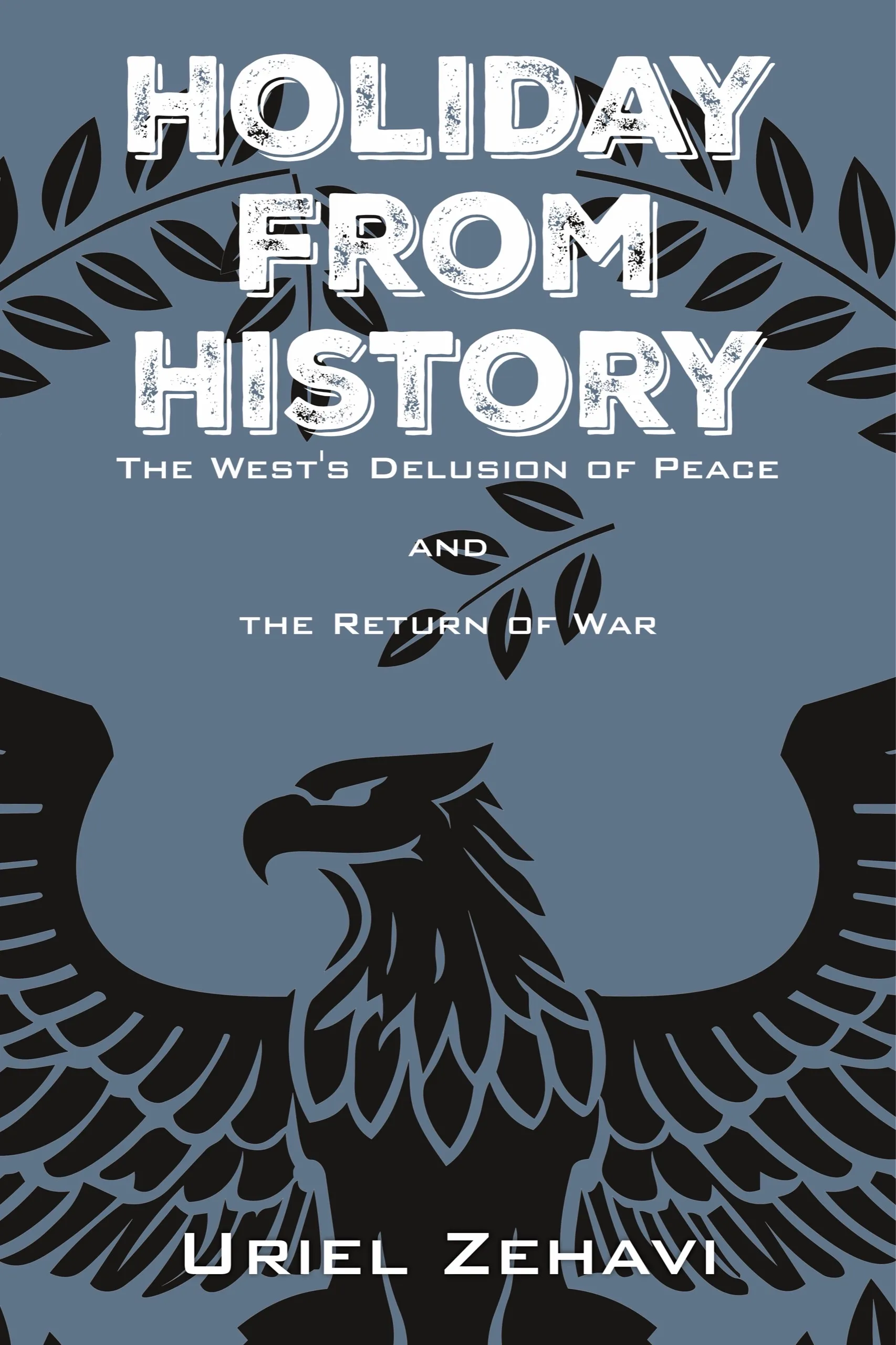
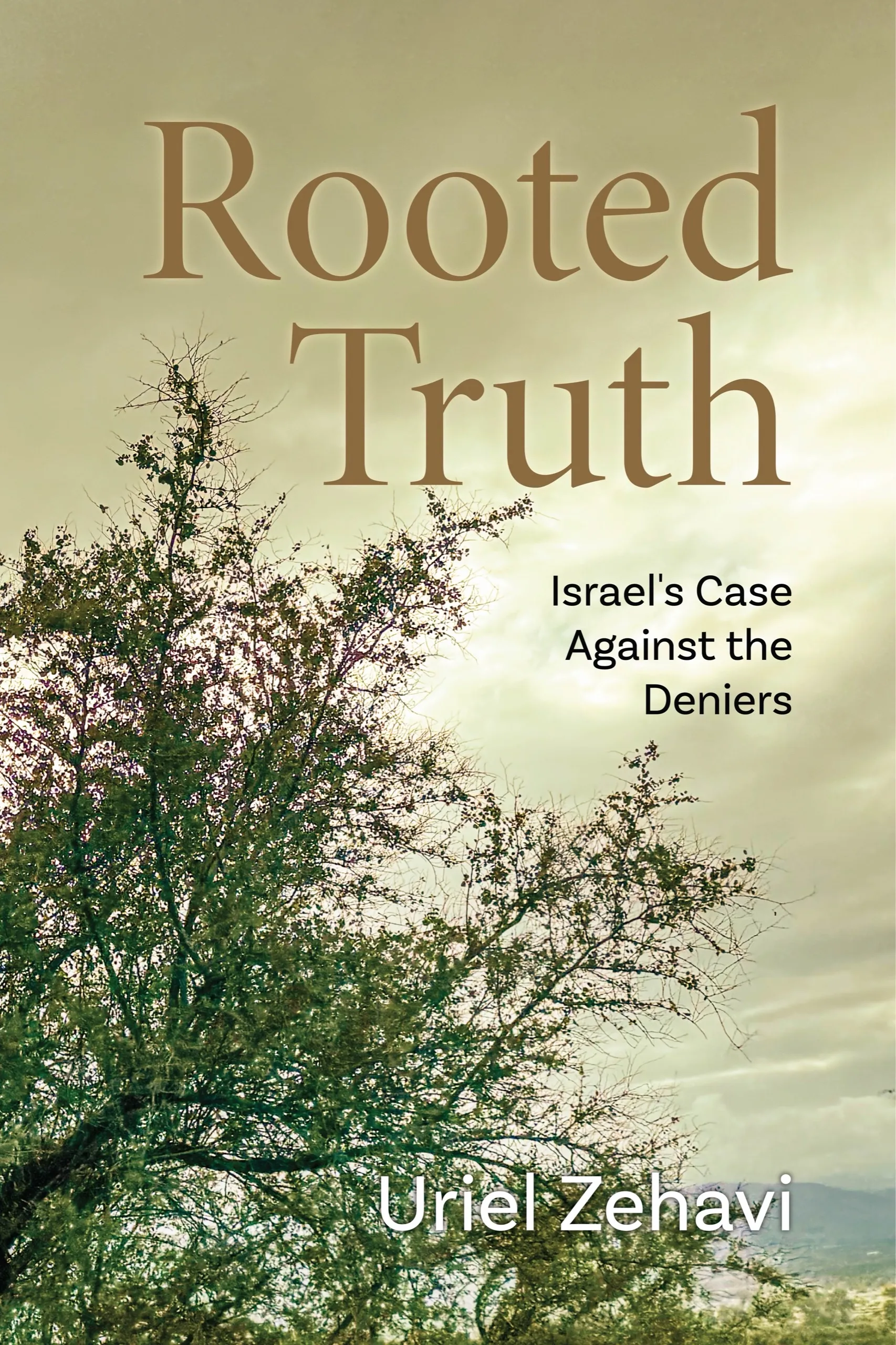
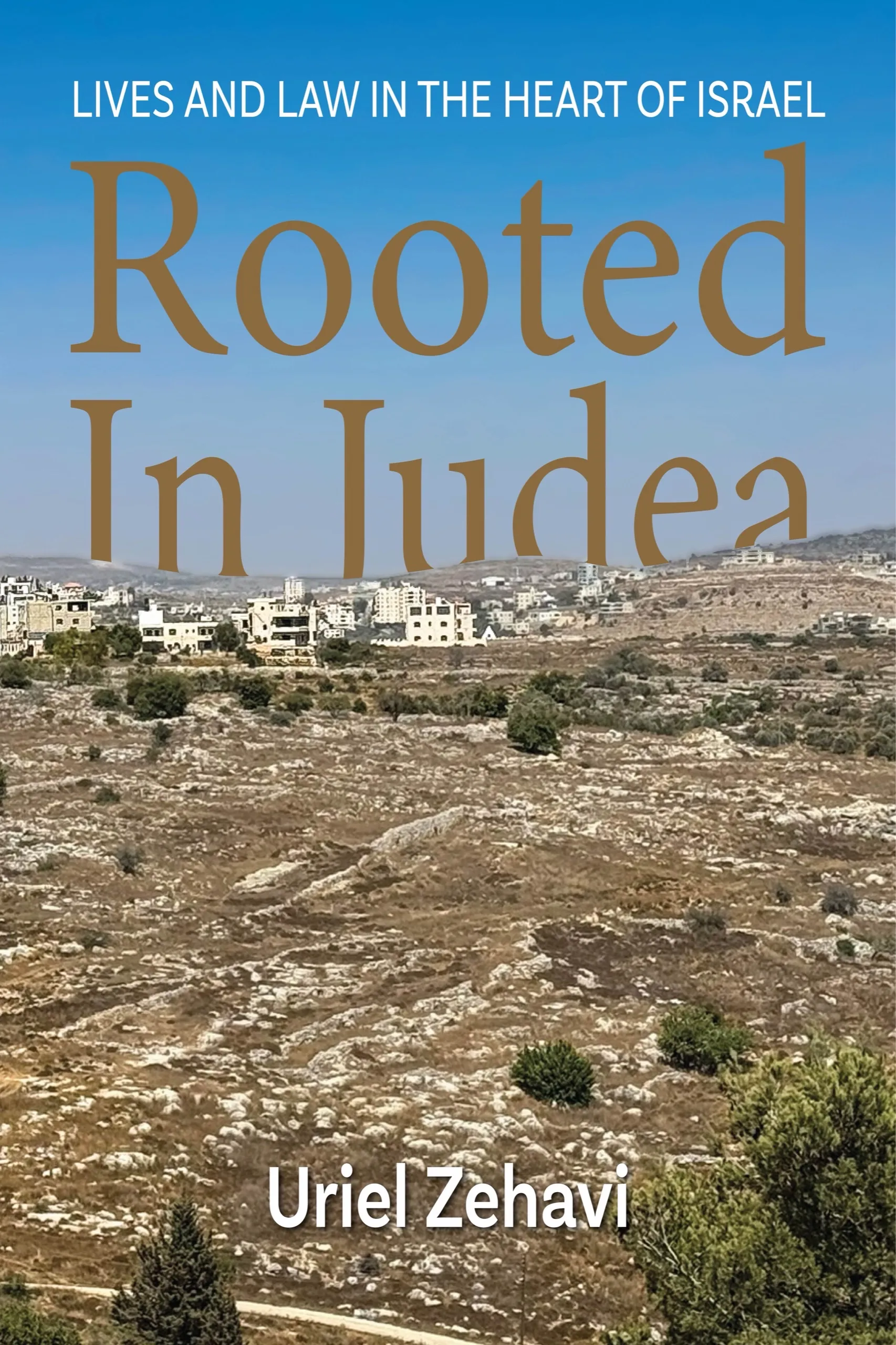
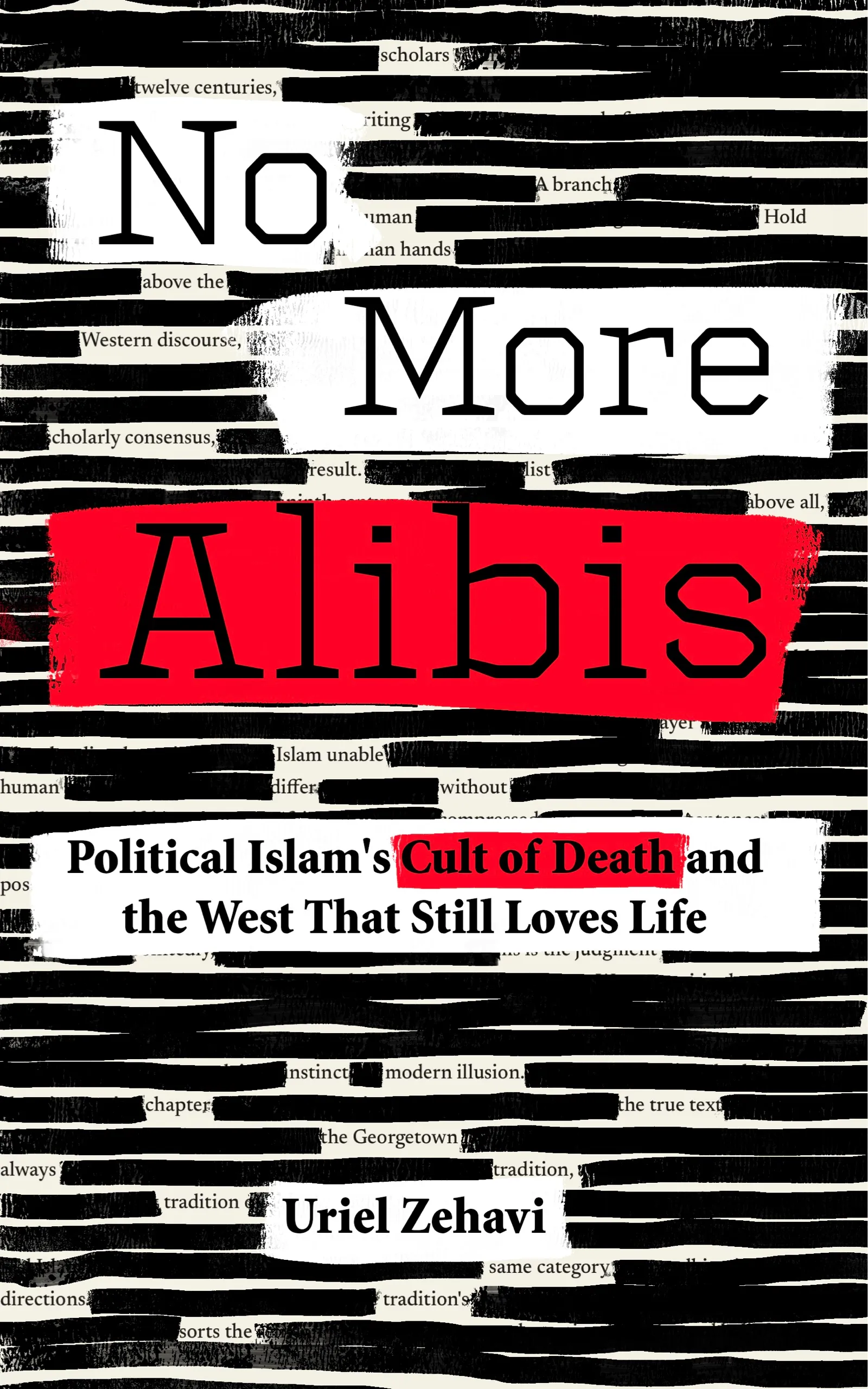
He has four books in print from Mitzpe Press: Holiday From History: The West’s Delusion of Peace and the Return of War, Rooted Truth: Israel’s Case Against the Deniers, Rooted in Judea: Lives and Law in the Heart of Israel, and Letters Across the Table: A Jew’s Letters to You, My Christian Zionist Friend. The fifth, No More Alibis, publishes on 13 October 2026. Mitzpe Press also publishes Alon Penzel’s Testimonies Without Boundaries, the October 7 testimony collection, a bestseller in nine countries and seven languages.

He studied English literature and law. He is a director of the Atlanta Israel Coalition.

Zehavi speaks at synagogues, churches, federations, day schools, campuses, policy forums, donor groups, and private institutional gatherings across North America, Western Europe, and Israel. He is making aliyah to Kiryat Shmona with his husband Modi.

Selected press

What other people printed.

The freshest and most disruptive thinking I have seen about Israel advocacy.
David M. WeinbergJerusalem Post · May 2, 2026
Zehavi's argument deserves serious attention because it explains trends that simpler narratives cannot.
David E. Bernstein, professor of constitutional law, George Mason UniversityTimes of Israel Blogs · April 25, 2026

Written for other outlets

Cited and covered

The full coverage record

Mitzpe Press

The books.

Speaking

In the United States, October to mid-December 2026.

The route is built around what gets booked, so a date in almost any metro is possible if it is asked for early.

5 to 18 October — the October 7 anniversary window

If your community already has a commemoration planned, he can take a place in it.

13 October — his fifth book publishes

No More Alibis. A talk booked near the date can carry the launch.

27 October — Israel votes

He can brief a room in the run-up and, after, explain the result.

5 to 12 December — Chanukah

Saturday 5 December is Shabbat and the first day of Chanukah, which makes it the best scholar-in-residence weekend on the whole trip.

Talks

Israel Votes: What's Actually on the Ballot on 27 October

And, from 28 October — Israel Voted. Now What?

Israel votes on 27 October, in the first election held on schedule since 1988 and the first government to finish its term since 1973. What is actually on the ballot — the haredi draft, the attorney general, who audits the government — and the four things Americans consistently get wrong about an Israeli election. Bookable before the vote as a preview, and after it as the result and the coalition arithmetic that follows.

The Israel Brief, Live

The daily brief, delivered in a room, on whatever that morning actually holds — Iran, Lebanon, Gaza, the Gulf, Washington, and what is coming next. Nothing in it is prepared more than a day in advance. Forty minutes, then questions for as long as the room has them.

Someone Lives Here: A Month in the Ridge Towns of Judea and Samaria

Chana drives forty kilometers to work each morning on a road where a stoning can happen any day, and she checks her tires with a flashlight in the driveway before she goes. Uri rode that road with her, and spent a month reporting from the ridge towns across two trips. This is what he saw, and then where the words the room has been handed — settler, occupation, West Bank — came from, who placed them, and in what year. From Rooted in Judea. It is the most contested subject on this list, and the argument runs against a vocabulary and the institutions that installed it, never against the people who inherited it.

Letters Across the Table

For the Christian friend who has loved Israel from a long way away and has never been told what the life looks like from inside. The calendar built around one country's harvests, the practice of forgiveness that runs in cycles of seven days and one year and seven years, a peoplehood with a religion inside it. Uri engages his friend's theology, and he does not want anybody in the room to be anything other than what they already are. From Letters Across the Table. Not an argument.

What Your Security Committee Isn't Being Told

Your committee has the alerting layer — SCN briefings, DHS advisories, a call from the field office when something is moving. The diaspora threat picture as Mitzpe reads it every day, for the people who carry the responsibility. Delivered with Modi Zehavi, who directs Mitzpe's diaspora security work. Available closed-door.

Also briefs on

  • The Israel Brief, live
  • The Israeli election and what follows it
  • Judea and Samaria, from the ridge towns
  • Israel and the Christian Zionist reader
  • Diaspora security for Jewish institutions

Formats

The format follows the audience.

Keynote

A single standalone address, built to run 30 minutes or longer, structured for one speaker rather than a panel, with Q&A optional.

Fireside interview

A moderated conversation between the speaker and a host, drawing out analysis in a more informal register than a prepared address.

Moderated panel

The speaker alongside co-panelists, working through a shared topic under a moderator's questions.

Extended Q&A

An open-floor session weighted toward audience questions rather than prepared remarks.

Shabbaton scholar-in-residence

A multi-session weekend format across several sittings — drashot, meals, and informal study.

Closed-door briefing

An off-record session for a defined audience — donors, leadership, or security-sensitive groups.

Virtual

Delivered remotely by video, for audiences where travel isn't practical.

Logistics

The practical part.

What we need from the room
A lectern or a stool, and a microphone. A projector and HDMI if the talk carries slides — say so when you book and slides get prepared, and without a projector every talk runs clean. A table at the back for books.
Honorarium
By inquiry. If budget is the obstacle, say so. That conversation is easier than you think.
Travel and lodging
Covered by the host.
Books
Mitzpe Press titles are available at events, on a table at the back. Tell us the expected room size when you book and we will confirm the arrangement.
Contact
Sara Cohen, Executive Assistant — sara@mitzpe.org or speak@mitzpe.org